
Growing Beef Newsletter
May 2026, Volume 16, Issue 11
Moving cattle to the fescue belt
Randie Culbertson, ISU Extension cow-calf specialist
Tall fescue toxicosis can be costly to cattle producers in performance loss. Decreased calving rates, early embryonic loss, and depressed weaning weights are all potential results due to cattle consuming tall fescue infected with an ergot alkaloid-producing endophyte. Nearly all of the tall fescue in perennial pastures in the southeastern United States (including the southern part of Iowa) are infected with an ergot alkaloid-producing endophyte.
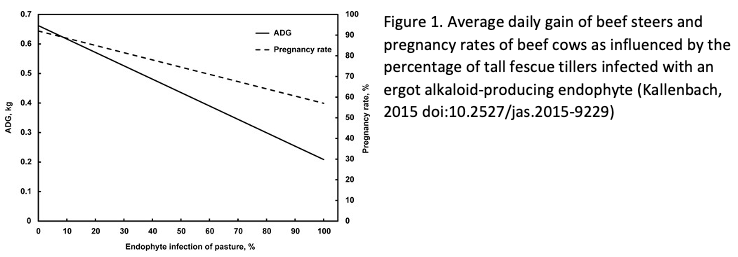
In cattle, indications of fescue toxicosis include rough hair coats during the warm season, elevated core body temperatures, and labored respiration. The toxicosis results in vasoconstriction restricting blood flow to the peripheral tissues impairing the transfer of heat from the interior of the animal to the skin for dissipation. In more extreme cases, cattle could develop fescue foot, where symptoms range from lameness to necrosis of the hoof, tails, or ear tips. These are caused by persistent constriction of blood flow to the extremities. Cattle can also develop fat necrosis which is the accretion of hard fat masses within the abdominal cavity resulting in severe discomfort and digestive blockage.
Regional differences in the response of cattle to tall fescue toxicosis have been reported. Cattle from regions with exposure to the endophyte have been shown to be less susceptible to the effects of the toxin compared to cattle who are naïve to the endophyte. Heat tolerance and sensitivity in cattle differ in their response to the endophytic toxins. Bos indicus cattle are generally more tolerant to heat stress compared to Bos taurus breeds. Since fescue toxicosis exacerbates during heat stress, breeds tolerant to heat show fewer or less severe symptoms to tall fescue toxicosis which is attributed to their capability to withstand heat stress. Other indications of cattle adapted to endophyte infected pastures is the ability of cattle to slick off their winter coats. Taking hair shedding scores on your cow herd can help to identify animals who may be more adapted to pastures with fescue compared to others.
For producers purchasing endophyte-naïve cattle and moving them to fescue-prevalent areas, careful management is essential to avoid serious health consequences. Above all, have a plan before cattle arrive.
Minimize exposure during high-risk periods by avoiding fescue grazing when alkaloid concentrations peak - particularly as the plant transitions to stem elongation and seed head emergence. Where feasible, prevent fescue from going to seed entirely. If the stand is intended for hay production, cut it before seed set to reduce alkaloid load in the forage.
Diluting the effect of toxic endophyte-infected fescue is another practical strategy. Interseeding pastures with legumes such as clover and alfalfa, or with additional grass species, reduces the proportion of infected fescue in the diet and can meaningfully lower the overall alkaloid intake.
Finally, always have a contingency plan. If cattle begin showing severe signs of fescue toxicosis - such as rough hair coat, elevated body temperature, lameness, or reduced performance - be prepared to move them promptly to a fescue-free pasture or one seeded with novel (non-toxic) endophyte fescue varieties. Early intervention can prevent long-term production losses and animal welfare issues.
This monthly newsletter is free and provides timely information on topics that matter most to Iowa beef producers. You’re welcome to use information and articles from the newsletter - simply credit Iowa Beef Center.



